Hi, I’m Chiara —
narrative designer
and game writer.
I’ve worked in writing and design roles across different disciplines – from video games to marketing and product design.
I think in systems, I’m cursed with production awareness, and I’m so stubborn I make even impossible things work.
[According to one of my Leads during Performance Review]
I also have flaws.
I’m currently available for in-house or freelance projects, so let’s talk.
Currently Working On
-
- Posted by Chiara Domeneghetti

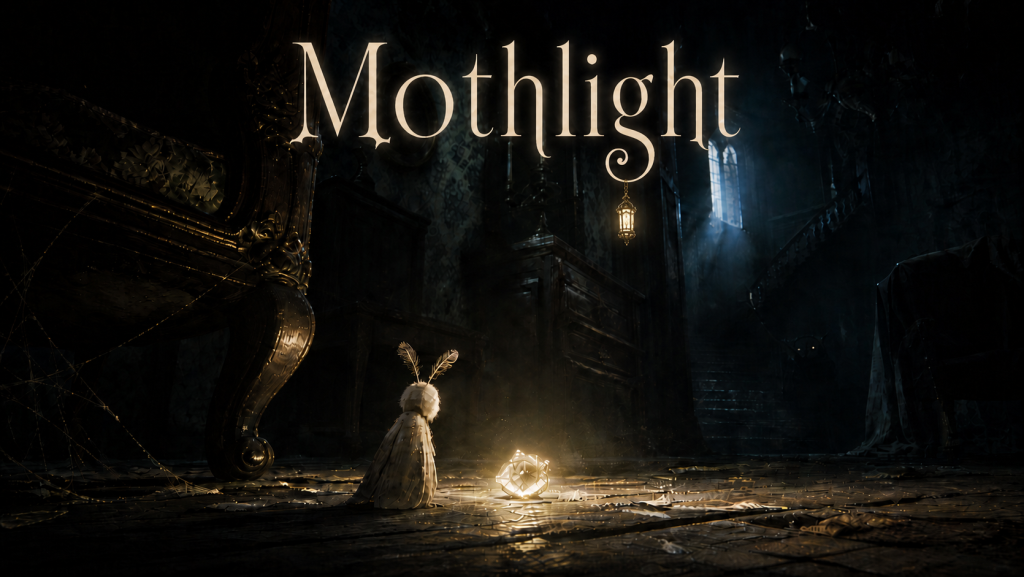
Mothlight: A Small Overview
A 3D intimate horror game where stealth, sound, light, and memory are built around the same central tension: the need to remain unseen, and the unbearable desire to be recognised.
Selected Past Projects
Still, feel free to browse - my goods are of the highest quality.
Branching Narratives & Choice Design
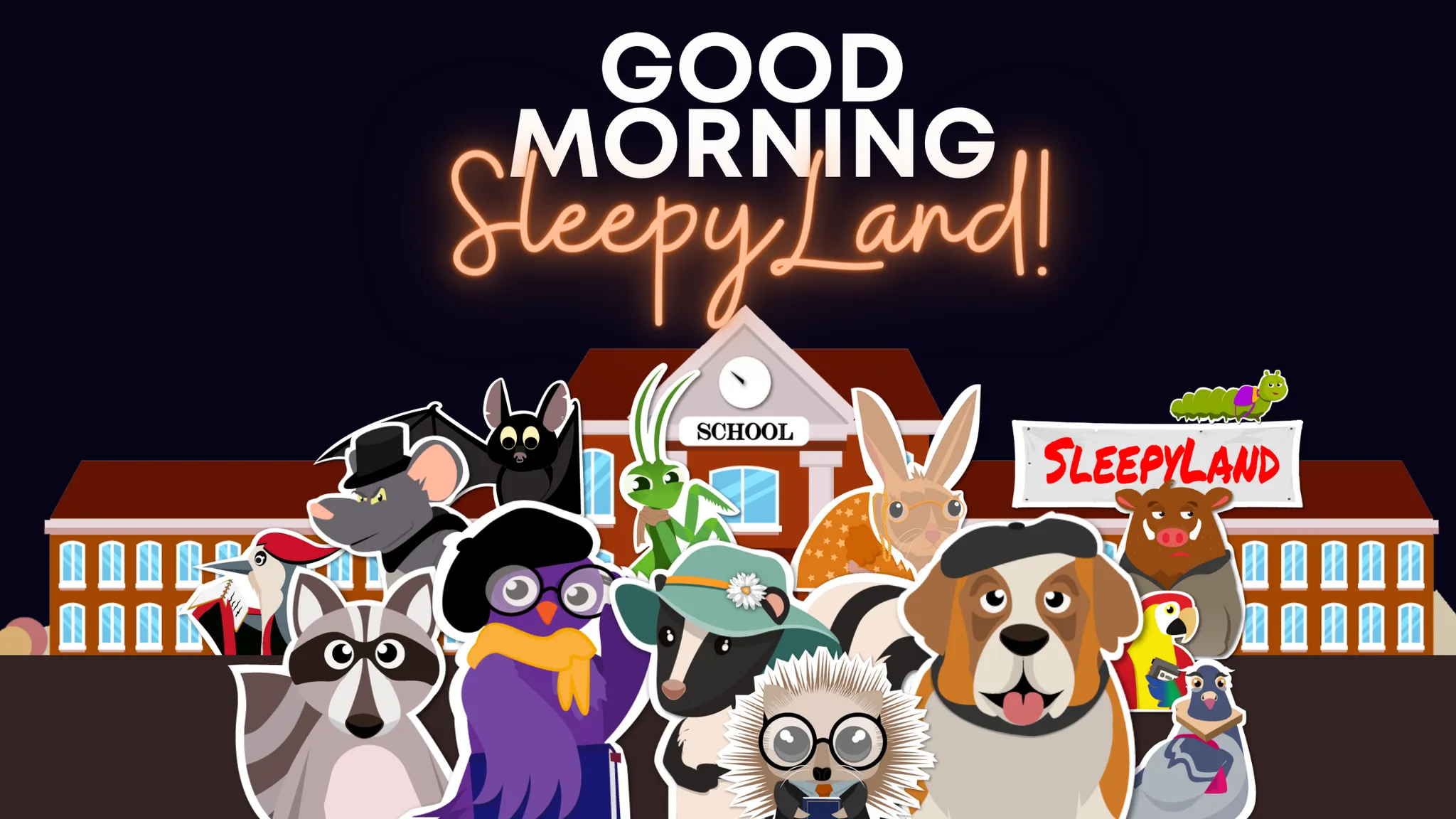
Good Morning, Sleepyland!
A 2D card-based narrative sim where political apathy becomes a playable system: small choices, delayed consequences, and relationships that quietly close if you stop paying attention.
A Plumesoft Games project.
Problem I was solving
The project started from a workshop concept about political apathy, but lacked gameplay structure, branching logic, or a defined player experience. My challenge was to build a complete narrative system from scratch: one that could engage players aged 13–20, make apathy emotionally legible, respect sensitive themes, and stay feasible within a very small production scope.
What I did
- Turned political apathy into the game’s central design principle: small choices accumulate quietly, and every relationship the player neglects means less support for Marko’s cause down the line.
- Created SleepyLand’s cast as a character bible – species, role, and personality per character, with visual references and briefs for the 2D artist – so each animal worked as narrative shorthand before a single line of dialogue.
- Built character relationships around presence: every citizen can be met, but disengaged answers end arcs early and quietly cost the support Marko needs later.
- Designed a card-based interaction loop to avoid a purely linear interactive-novel structure and reduce the need for extensive art assets.
- Built a responsive narrative-event system combining mandatory beats, randomized encounters, follow-up events, salary triggers, and newspaper updates.
- Defined player-facing stats for family wellbeing, time, support, media attention, town apathy, and individualistic vs collective mindset.
- Iterated after beta feedback by adding newspaper entries and an opening teacher scene to clarify context, stakes, and world state.
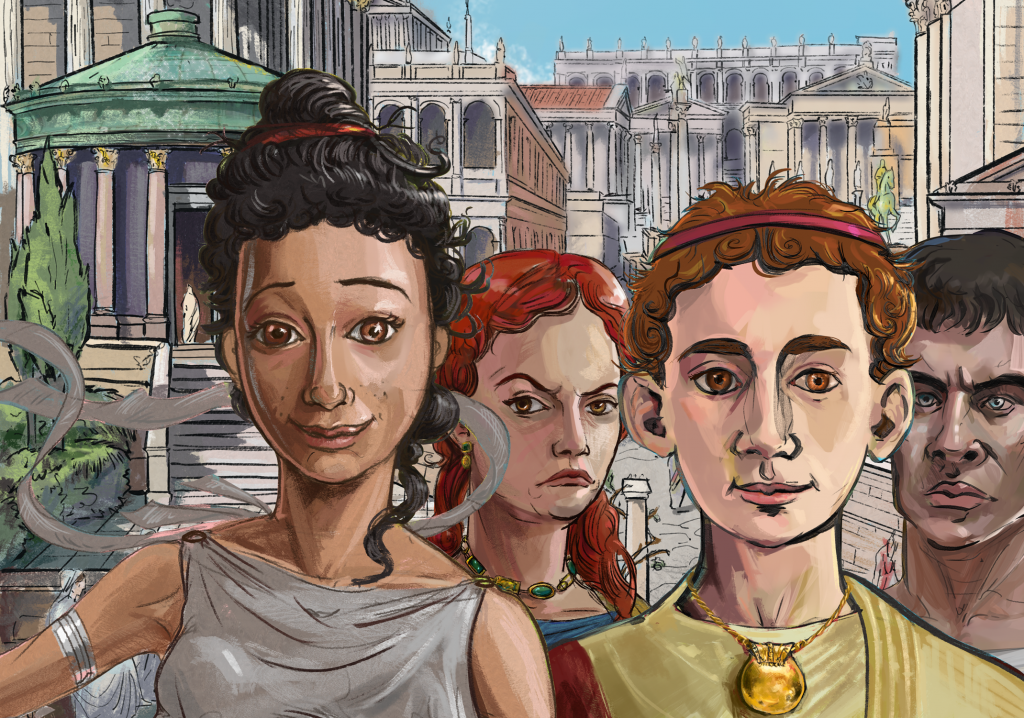
Claudius - The Hidden Strength of a Future Emperor
A branching coming-of-age story set in Ancient Rome, developed for Parco Archeologico del Colosseo.
A Plumesoft Games outsourced project.
Problem I was solving
I was brought into the project late, after the narrative, dialogue, puzzles, and branching structure were already in place.
The main issue was that the branching had no real consequence: choices led to educational detours, puzzles did not affect the story, and the game ultimately resolved into a single ending. Claudius’ voice also felt too childish for a 15-year-old aristocrat approaching his rite of passage into adulthood.
What I did
- Repositioned the experience around Claudius’ transition into adulthood, giving the story a clearer emotional spine.
- Advised revisions to dialogue and descriptive text to better fit Claudius’ age, status, and historical context.
- Reworked choice design so player decisions shaped Claudius’ development rather than simply unlocking information.
- Collaborated with the programmer on a trait system built around three growth paths: oratory, courage, and balanced development.
- Expanded the ending structure from one fixed outcome to four endings: failed rite of passage, fearful informer, aggressive bully, or confident adult.
- Helped turn educational content into part of the character arc, rather than treating it as separate historical exposition.
Why it matters
The redesign gave the game a stronger reason to be interactive: players were no longer just learning facts about Ancient Rome, but shaping Claudius’ identity through consequence, failure, and growth.
Mechanics & systems as storytelling
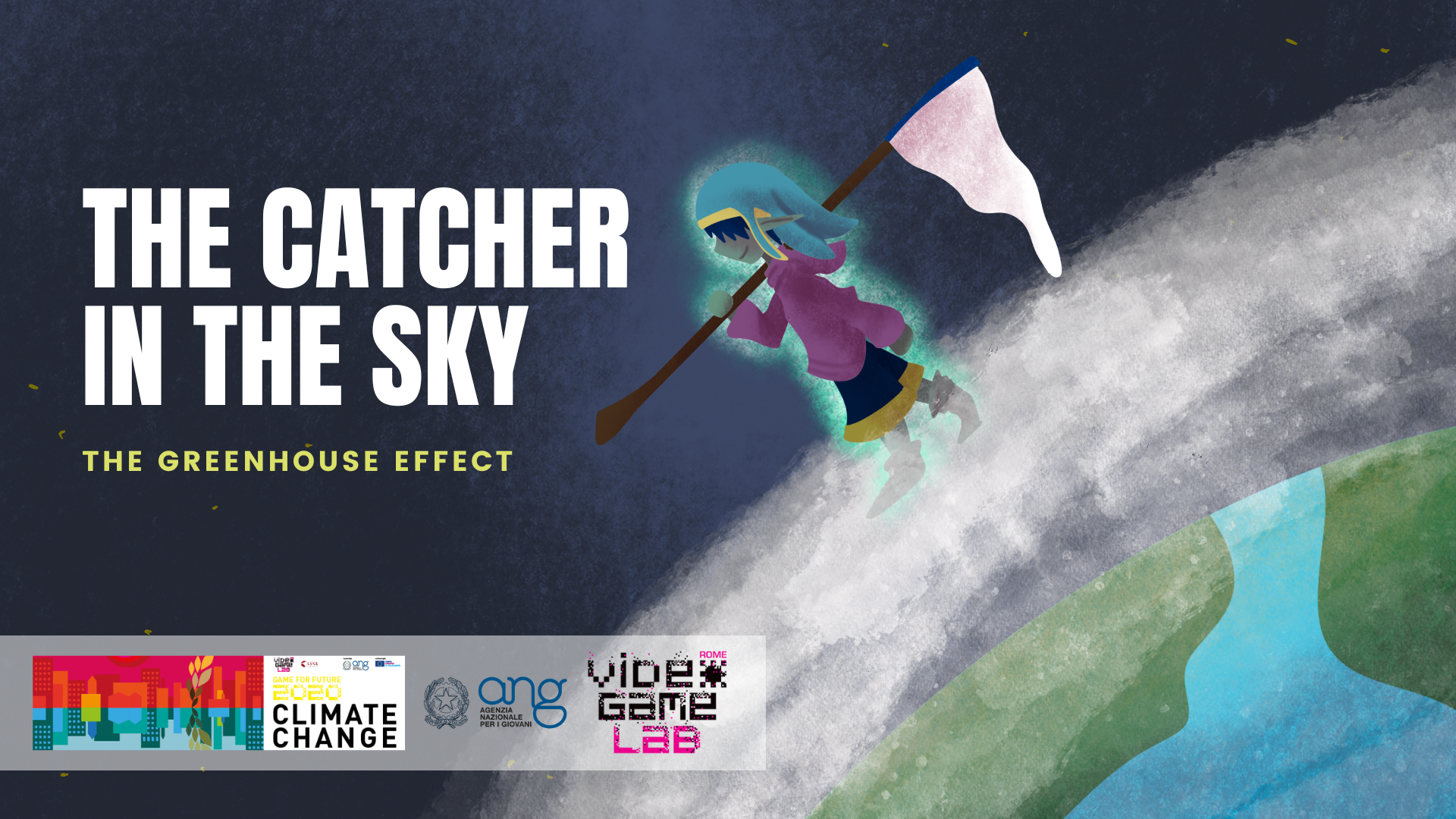
The Catcher in the Sky
A 2D interactive collapse simulator about climate change, where balance is possible – until it isn’t.
A Plumesoft Games project.
Problem I was solving
The game was created during a climate-change game jam, starting from an early brainstorming phase in which the player identity, objective, and emotional hook were still unclear.
The challenge was to turn a broad topic into a playable metaphor: something that could explain the greenhouse effect, create emotional urgency, and avoid the easy fantasy that the player could simply “fix” climate change alone.
What I did
- Helped steer the concept around the idea that, by 2050, climate change could become irreversible if human behaviour does not change.
- Pushed for a design where player agency was intentionally limited, so helplessness became part of the message rather than a failure of the game.
- Shaped the player identity around Ariel, the atmosphere, whose role is to catch or release infrared rays to keep Earth’s temperature stable.
- Proposed structuring levels as human eras, from early humanity to 2050, with each stage showing the growing impact of human activity.
- Developed the Sun as a narrator: a witness who produces rays, sees what is happening, but cannot intervene.
- Advocated for an unwinnable final level, where Ariel can no longer release enough heat, and the game ends in collapse.
The game won first prize by turning climate change into a mechanic-as-metaphor experience: players learn the greenhouse effect by performing it, then confront the fact that nature cannot solve what humans refuse to change.
Dunjanitor: the begrudging ginger dungeon janitor
A satirical reversed tower defense game about an underpaid goblin janitor repairing traps while heroes destroy his workplace.
Problem I was solving
The project was created for the Global Game Jam 2020, with the theme “Repair.”
The team had a familiar dungeon setup, so my challenge was to make it feel distinctive without changing the core direction: using voice, humour, and mechanically useful writing to turn a simple repair loop into a sharper comic experience.
What I did
- Built the goblin janitor’s voice around workplace exhaustion, sarcasm, and reluctant survival.
- Reframed heroes as entitled intruders who break traps, kill the worker, and still get treated as “good.”
- Wrote hero descriptions that functioned as disguised tutorials, explaining enemy behaviour through flavour text.
- Used comedy to make classic fantasy archetypes mechanically readable and tonally specific.
- Kept the writing tightly scoped so it supported the jam build rather than adding extra production weight.
The project shows how voice can turn tutorial text into part of the game’s identity: funny (?), useful, and directly connected to how the player survives.
Exploration, mystery & place-based play
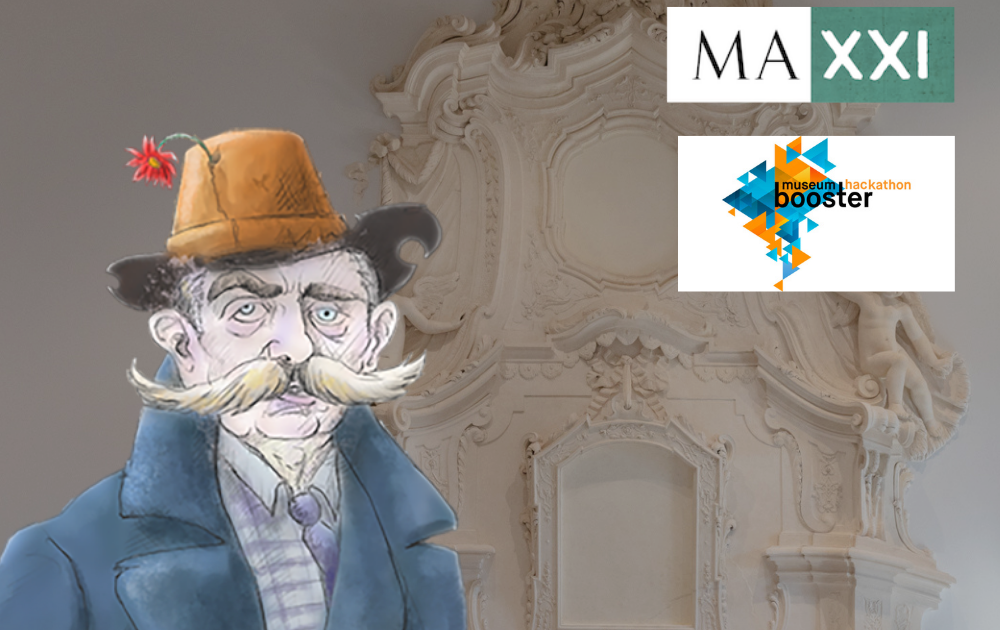
The Ghost of Palazzo Ardinghelli
An AR treasure hunt prototype set inside MAXXI L’Aquila, where visitors explore the museum through ghosts, riddles, and the mystery of a stolen “X.”
A Plumesoft Games project.
Problem I was solving
The prototype was created during a 36-hour hackathon for MAXXI L’Aquila, starting from a broad brief about engaging visitors with the museum, the palace, and the city.
The team had a promising format – QR codes, AR interactions, historical characters, and room-based puzzles – but the experience lacked stakes. There was no strong reason for visitors to care about the treasure hunt, and no narrative bridge between the contemporary museum and L’Aquila’s older artistic identity.
What I did
- Built the central “what if”: what if someone stole one of MAXXI’s “X”s to stop the museum from opening?
- Turned the culprit into the ghost of Teofilo Patini, the palace’s last historical resident, offended by contemporary art and the renovation of his former home.
- Used the missing “X” as a production-friendly object and a symbolic device: without it, MAXXI loses its link to the XXI century.
- Structured the treasure hunt around ghosts from L’Aquila’s past, each guiding visitors through riddles, puzzles, and local history.
- Connected the final objective to Patini’s lost pigments, giving the mystery an emotional resolution rather than a simple object retrieval.
- Grounded the concept in the museum staff’s own concern: how to open a contemporary art museum in a city deeply shaped by classical and baroque heritage.
The prototype won first prize at the hackathon by transforming a simple AR treasure hunt into a site-specific mystery about how L’Aquila’s past and contemporary art could meet.
Alien Roads Lead to...
A wholesome 2D point-and-click adventure prototype where an alien crash-lands in Lazio and learns culture, language, and connection while recovering pieces of his spaceship.
A Plumesoft Games project.
Problem I was solving
The project was created during a 48-hour game jam around the brief “promote tourism in Lazio.”
The main challenge was to avoid turning the game into a disguised marketing campaign. The team needed a concept that could support tourism goals while still working as a real point-and-click adventure: character-driven, puzzle-based, and built around curiosity rather than exposition.
What I did
- Helped redirect the concept from promotional messaging toward a playable adventure about cultural misunderstanding and discovery.
- Reworked an early “stolen objects” idea into a safer and stronger premise: an alien crash-lands at Rome’s Miliarium Aureum and must recover scattered pieces of his spaceship.
- Built the core interaction loop around locals mistaking spaceship parts for everyday objects, requiring the alien to help them, solve puzzles, and learn local culture to retrieve each piece.
- Used the Miliarium Aureum as a symbolic starting point, connecting the journey to the idea that Roman roads lead outward from Rome.
- Developed the AI companion as a narrative and gameplay device for translation, cultural explanation, and contextual guidance.
- Wrote dialogue and defined the vertical-slice scenes, interactions, and asset needs.
The prototype won first prize by turning tourism into interaction: players discover Lazio not through promotional copy, but by helping people, solving local problems, and seeing the region through the eyes of someone genuinely alien to it.
Editorial frameworks & content systems
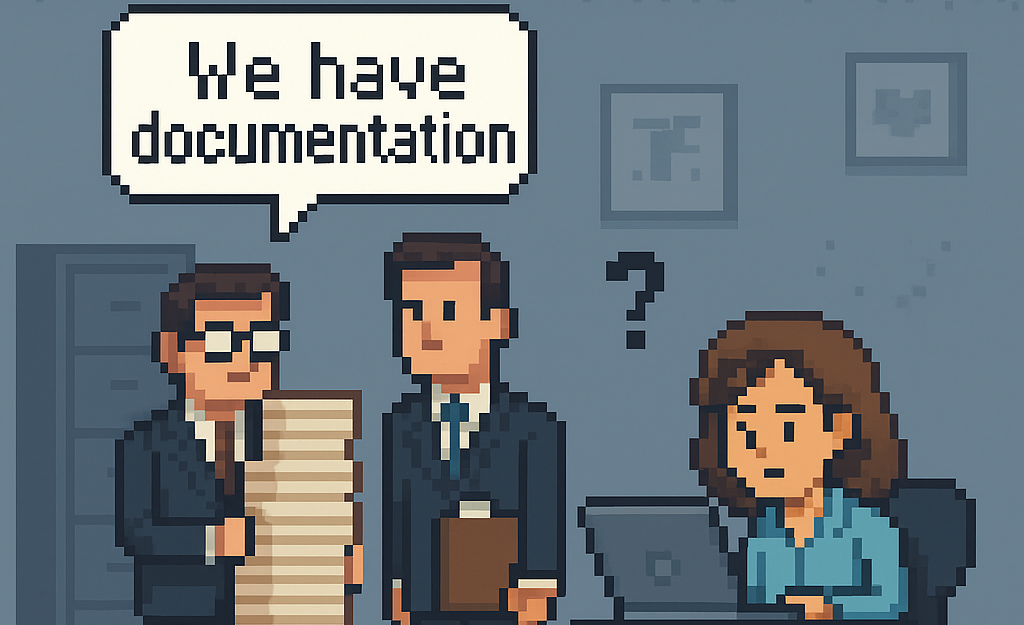
Publishing Workflow Onboarding Documentation Redesign - Public Tax Portal
A workflow documentation and onboarding system for a public tax portal, designed to clarify content production, review, publishing steps, and ownership.
Problem I was solving
The portal hosted complex tax services for companies and public entities, with multiple internal, outsourced, and client-side teams contributing content.
My team supervised content quality, accessibility, and plain language, but the existing workflow documentation was outdated and unclear. When something went wrong, responsibility often fell on us because the process did not clearly define steps, ownership, SLAs, or escalation points.
What I did
- Audited the existing Confluence documentation and archived outdated material without losing access to legacy information.
- Designed a new hub-based information architecture, with a central onboarding page linking to modular workflow, content-type, ownership, and Jira guidance.
- Structured every page around practical questions: what the page explains, who it is for, which teams are involved, and how to complete the task.
- Rewrote labels and page titles in action-oriented language, making the documentation easier to scan and search.
- Refined Jira module microcopy and automated emails so stakeholders could understand ticket status, current ownership, publishing timing, and next steps.
- Made the system maintainable, so colleagues could update individual pages or sections as the workflow evolved.
The system reduced ambiguity, protected the content team from misplaced responsibility, and became the onboarding standard for a complex publishing workflow that remained in use after I left.
Biodiversity Portal Editorial Framework
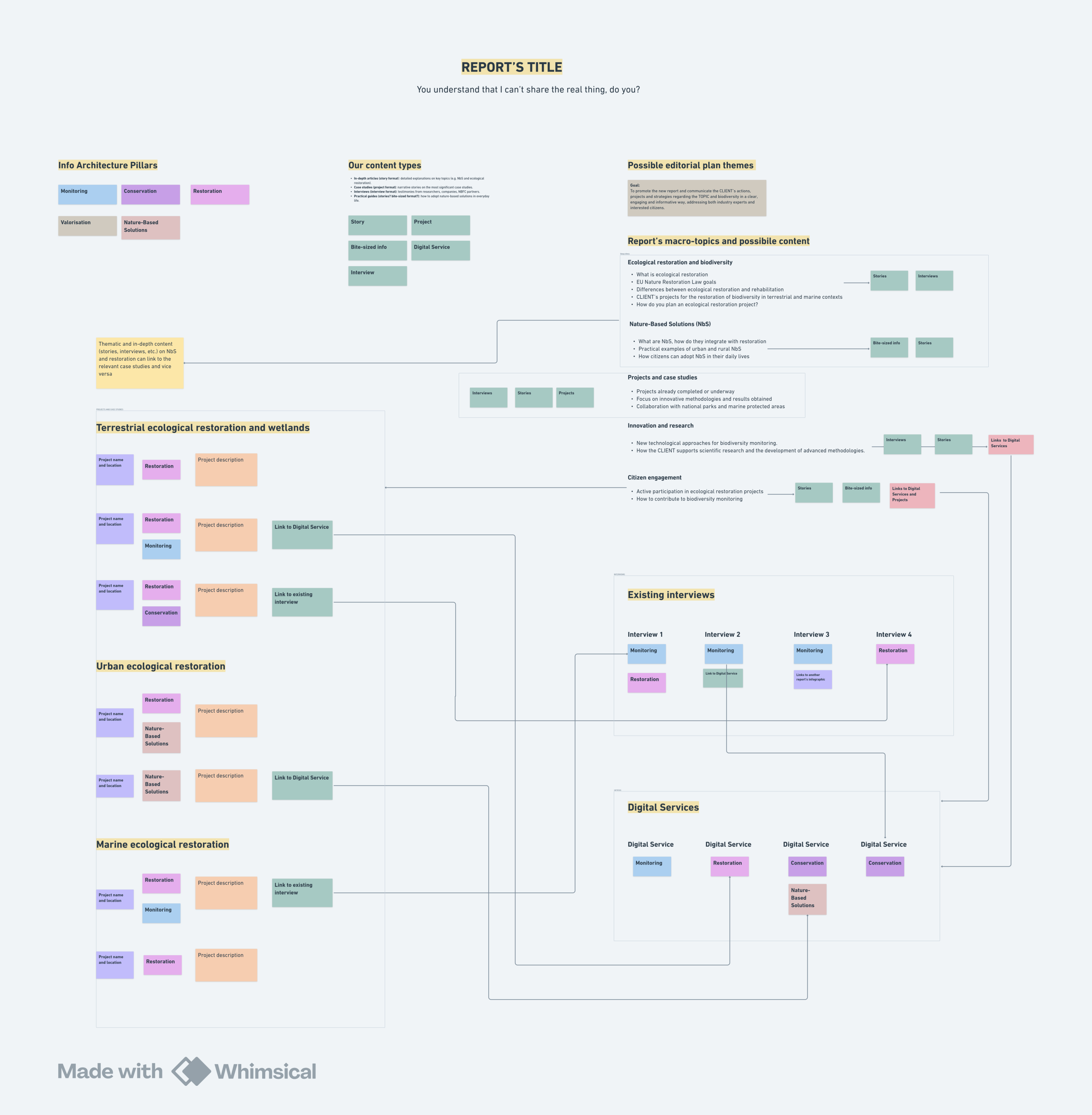
An editorial framework for a biodiversity portal, translating a specialist biodiversity report into themes, content formats, and cross-linking opportunities.
Problem I was solving
The client provided a long institutional report on Italy’s biodiversity, written primarily for specialists and sector professionals.
The portal, however, had to serve both professionals and citizens, which meant the material needed to be translated into clearer, more accessible, and more navigable digital content. Key insights, possible public-facing hooks, and useful references were embedded in a format that worked for a technical report, but not directly for an interactive, user-oriented website.
What I did
- Analyzed the full report and extracted relevant editorial opportunities from specialist scientific and institutional material.
- Organized content around thematic pillars already meaningful to the client, including monitoring, conservation, restoration, valorization, and nature-based solutions.
- Mapped topics to existing portal formats such as articles, short visual pieces, interviews, funded project pages, services, and case studies.
- Identified underdeveloped topics and proposed working titles, editorial angles, and follow-up areas for the editorial team to assess.
- Mapped cross-links between funded projects, existing services, and previously published interviews to strengthen the portal’s content ecosystem.
- Presented the framework to the editorial and design teams so it could inform sprint planning and future content decisions.
This work showed how specialized scientific material could serve as a modular editorial system for a mixed audience. It gave the team a clearer way to connect themes, formats, services, and projects, even if only part of the material ultimately went live.
What-ifs
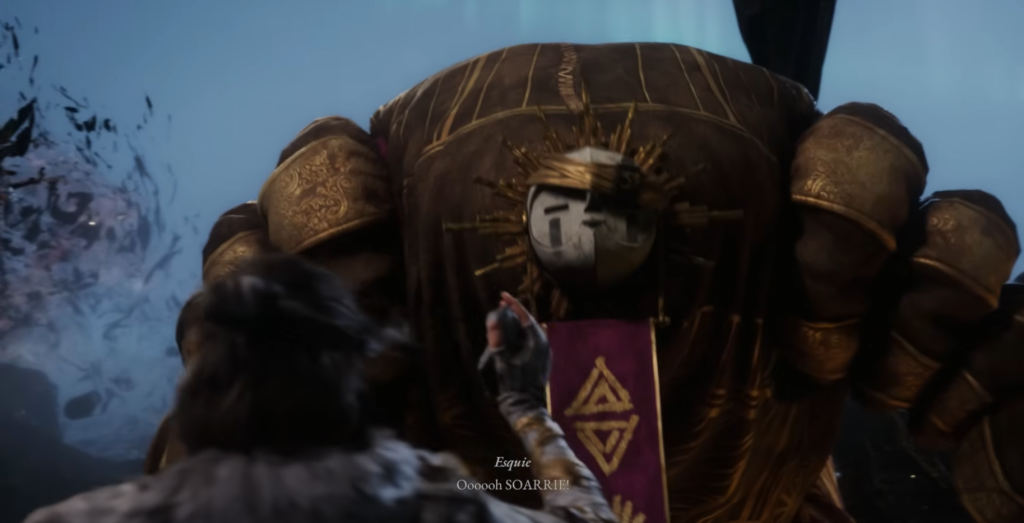
Expedition 33 - The Paintress Battle: What if Esquie fell?
Just for a couple of turns - for emotional escalation and wine gore.
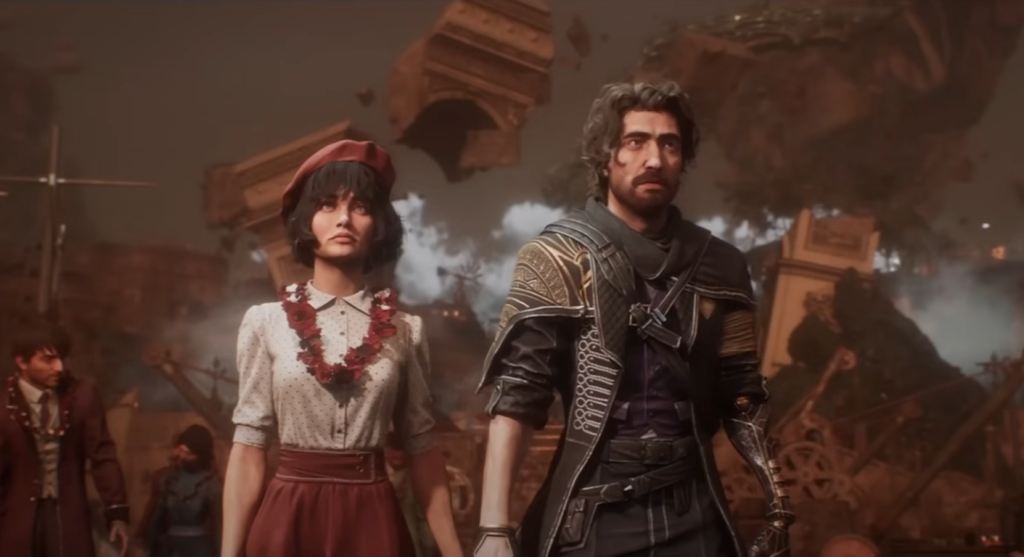
Expedition 33 - The Prologue: What if Sophie didn't get her final line?
Let us feel the cruelty of the Gommage. Loss is never clean.
About me
Talking about myself is awkward
Clearly, you are not here for the pebbles, so I created a set of FAQs about how I work. Enjoy.
You've worked across games, applied games, and content design. What's the common thread?
Most of my work looks like this: someone hands me a pile of scattered content, or barely any content at all, and I find the story and the meaning in it.
Then I give it structure. That’s been the thread everywhere, whether it was a branching game about political apathy, a museum game, or a tax portal.
I didn’t set out to work across this range. Life requires flexibility, and skills are transferable; different industries just call the same things by different names.
Where are you based, and would you relocate?
Born and bred in Rome, Italy, and currently in Warsaw, Poland.
I’m an EU citizen available to relocate for the right role.
What does a narrative designer actually do on your projects?
The writing is the visible part, but most of the job happens underneath it.
On my projects, I design how the story works as a system: the branching logic, the flags and conditions, how player choices change relationships and consequences over time. I create the characters and the world, write the dialogue, and define the tone of voice. I also build the documents that let a team work: character bibles, briefs for artists, dialogue flowcharts and branching spreadsheets the developer can pick up and implement.
If you want to see what that looks like in practice, Pidgy’s page shows one character’s full arc, from dialogue to branching structure to the design brief behind their bread collar.
What happens when narrative and scope collide?
They always collide, so I plan for it.
I start from the emotional core of the project and I treat constraints as design information rather than obstacles. On Good Morning, SleepyLand! we chose a card-based loop partly because it kept art assets low while still supporting branching; the limitation shaped the structure, not the story’s meaning. If something has to be cut, I’d rather cut a feature than the reason the project exists.
How do you work with developers and artists?
Closely, and with documents they can actually use.
I’ve worked in agile teams as the only content person, which taught me to be precise: developers get flowcharts and conditions, not vibes; artists get briefs with references and clear intent, with room for their own ideas.